Brown Bag Sewing Scrapbook

First, a big Happy Birthday to my friend Sharon Stewart at Liberty Rose.  Have a great day!!

Second, Sharon was the master mind behind this project  – a Sewing Scrapbook made out of paper lunch bags.  She offered this as a one of her scrapbooking classes and I fell in love with it (I hardly ever scrapbook) so I had to take the class.
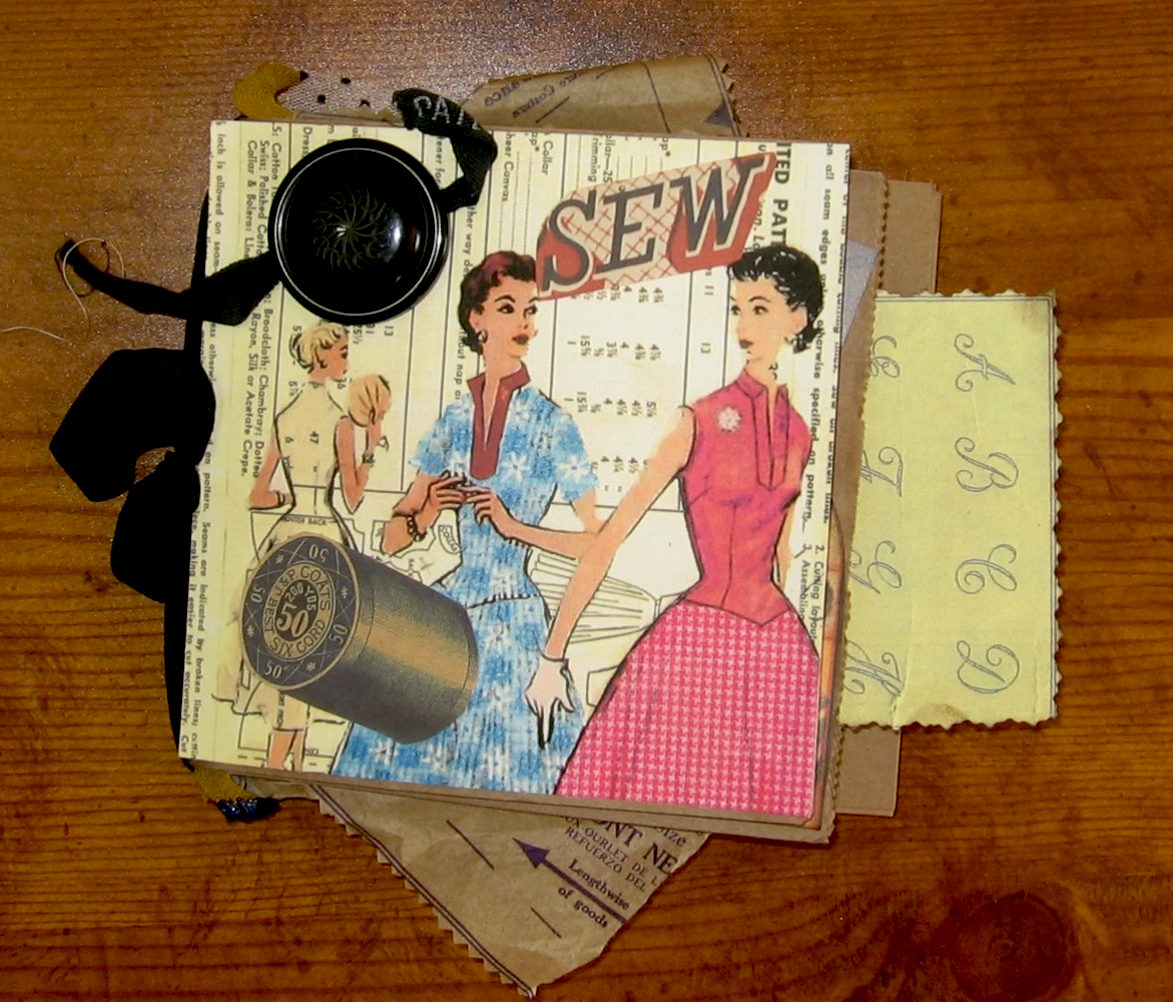
Sewing Scrapbook - Front Cover
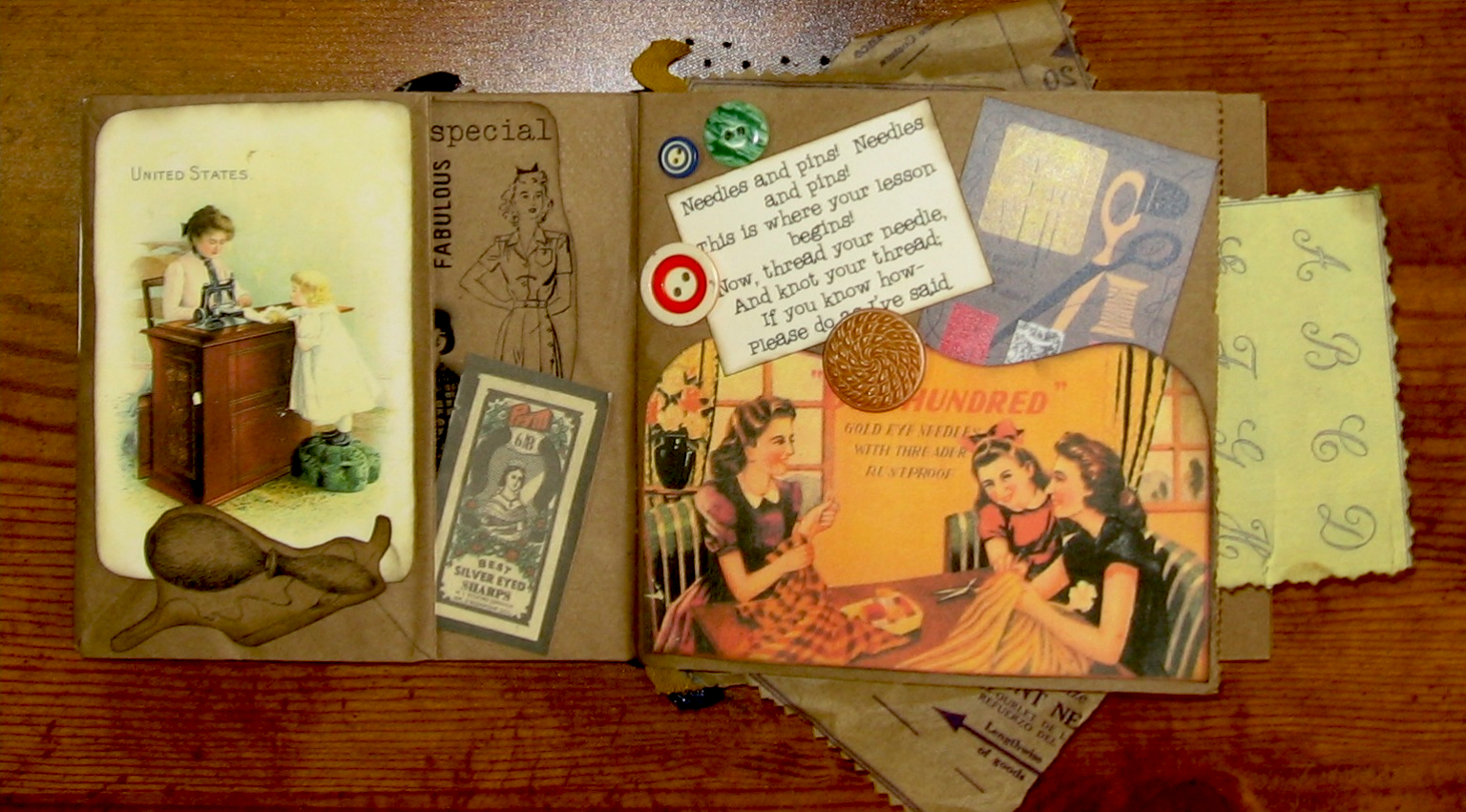
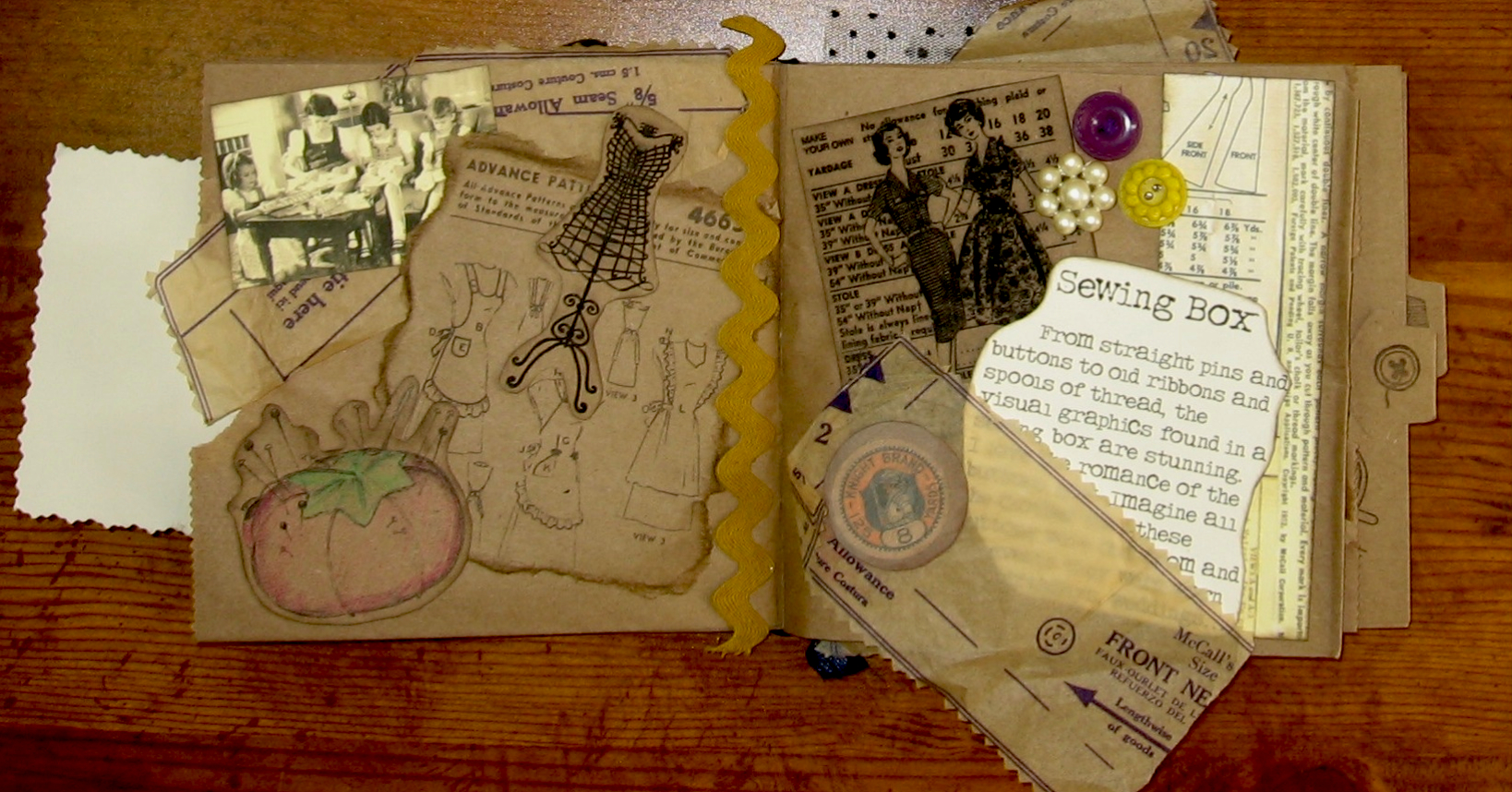
Sewing Scrapbook - Interior 1

Sharon always does  a lot of prep work for her classes and this was no different –  she provided all the goodies for each page in the book – including the antique buttons.   I added a few more embellishments when I got home – there are tons of great sewing images you can download for free from the internet!
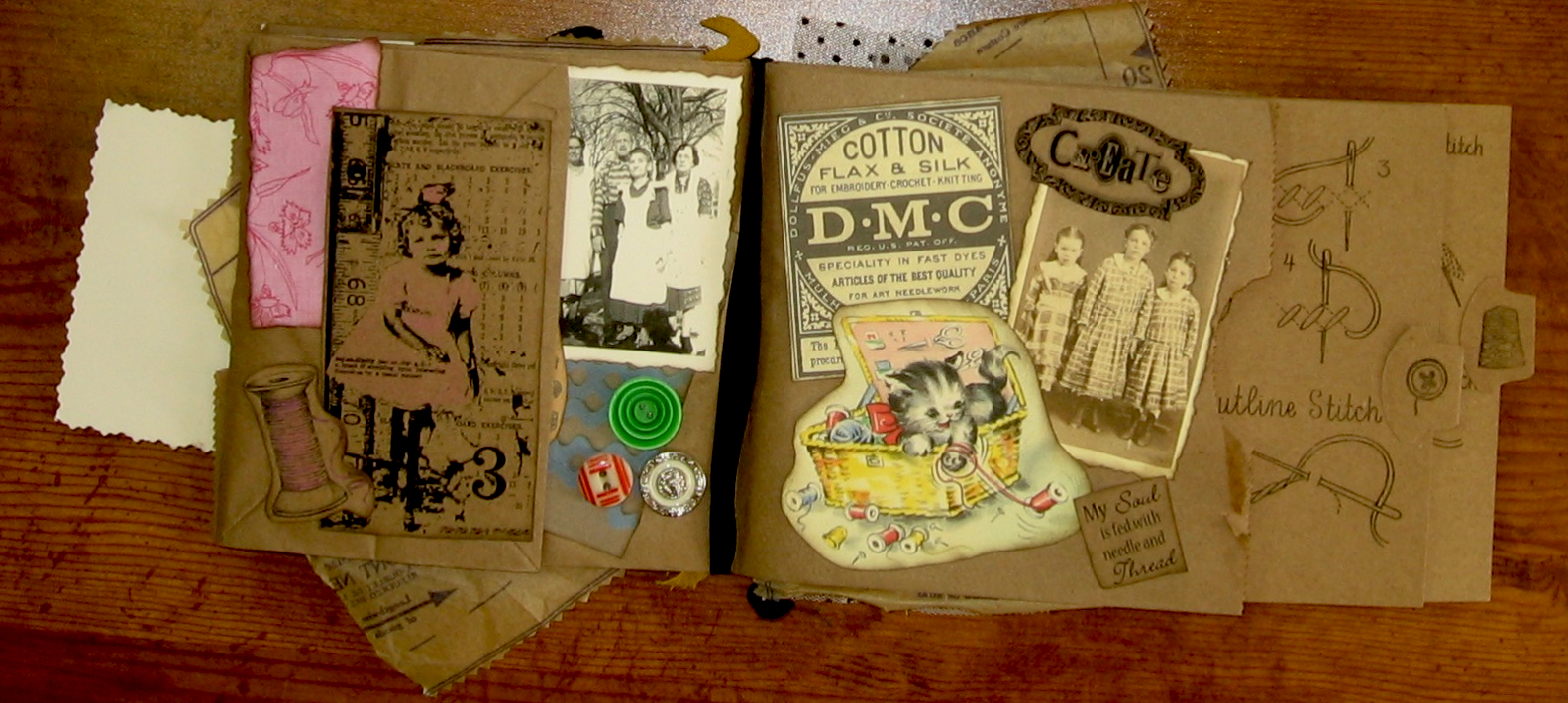
Sewing Scrapbook - Interior 2
Sewing Scrapbook - Interior 3

Once you have a collection of images you want for your theme, you can use a color printer to print them out on cardstock.  We used off-white and brown kraft cardstock, which coordinates nicely with the paper bags.  Once the images are printed, you can cut them out, distress them, and place into the book.  You can use this for tons of different themes (I have a few ideas) and they are a great craft for kids.  Use colored pencils to add a dash of color to some of the drawings, and scraps of fabric and trim are put to good use as well.
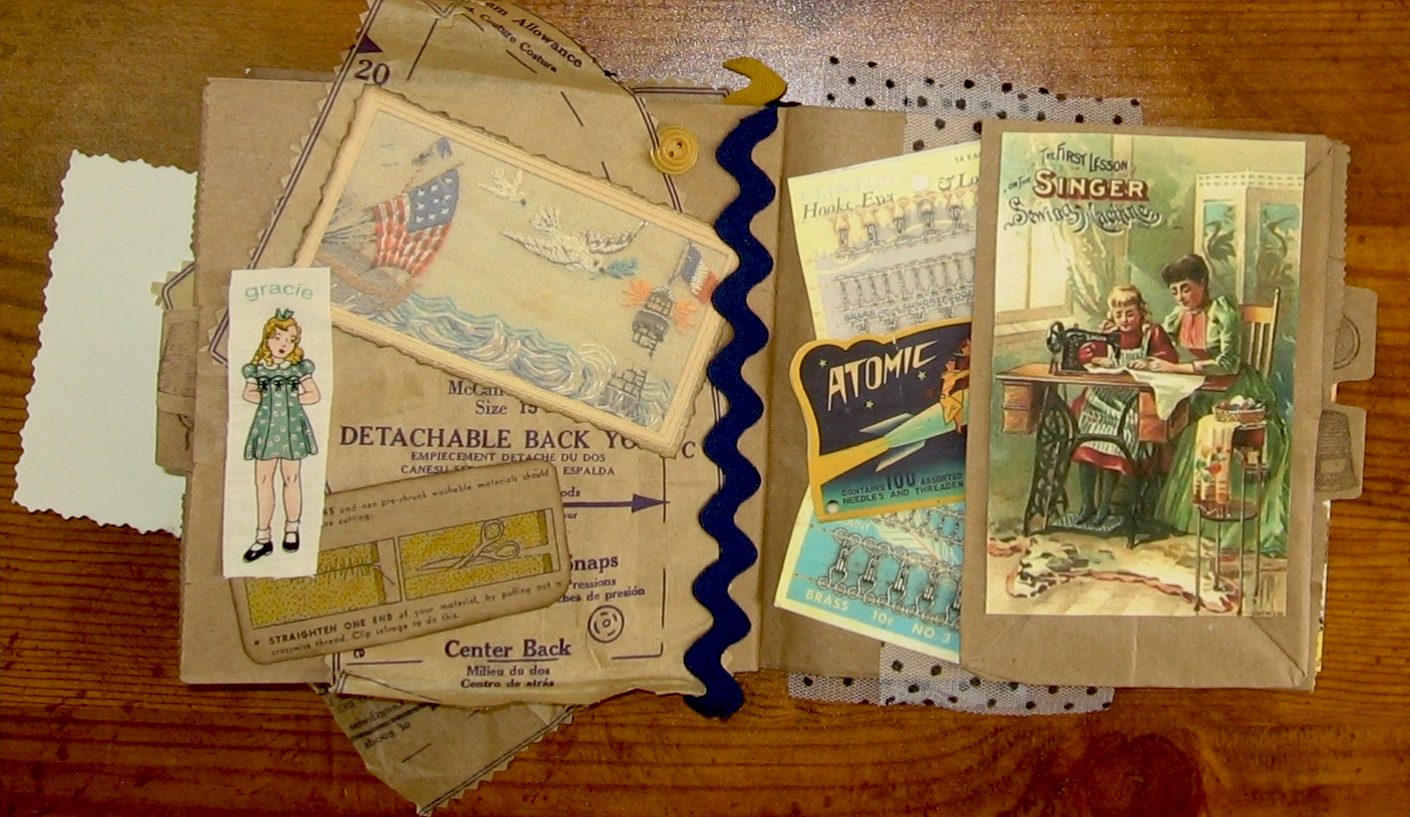
Sewing Scrapbook - Interior 4
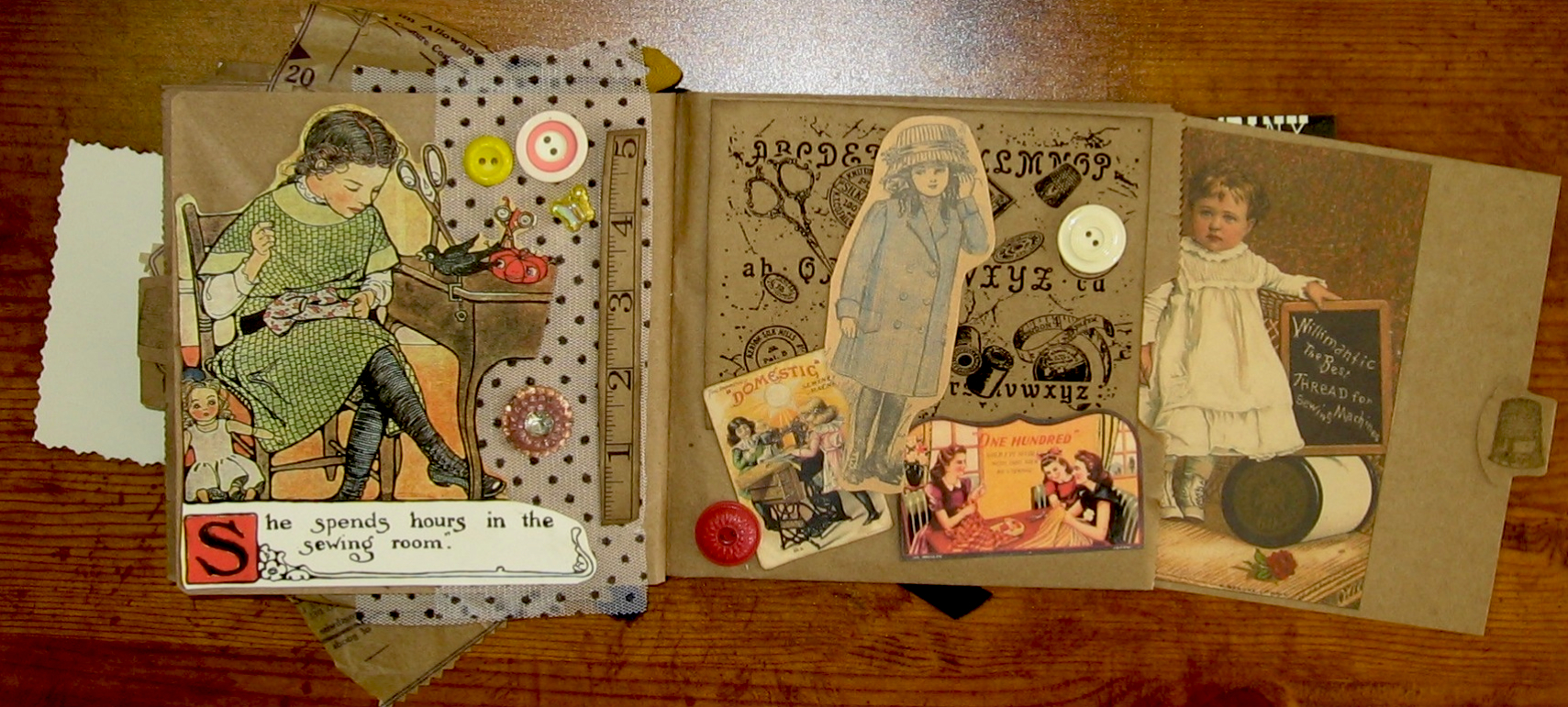
Sewing Scrapbook - Interior 5

We also used some of the paper from old patterns to add some texture and visual interest.  For the pockets, you create square cards, print an image on them, add a tab, and have a little surprise in the book (see Interior 5 for an example, the little girl on the right is one of these tabbed cards that goes inside).  Sharon used images of embroidery stitches we would have a handy reference for how to do some basic stitches.
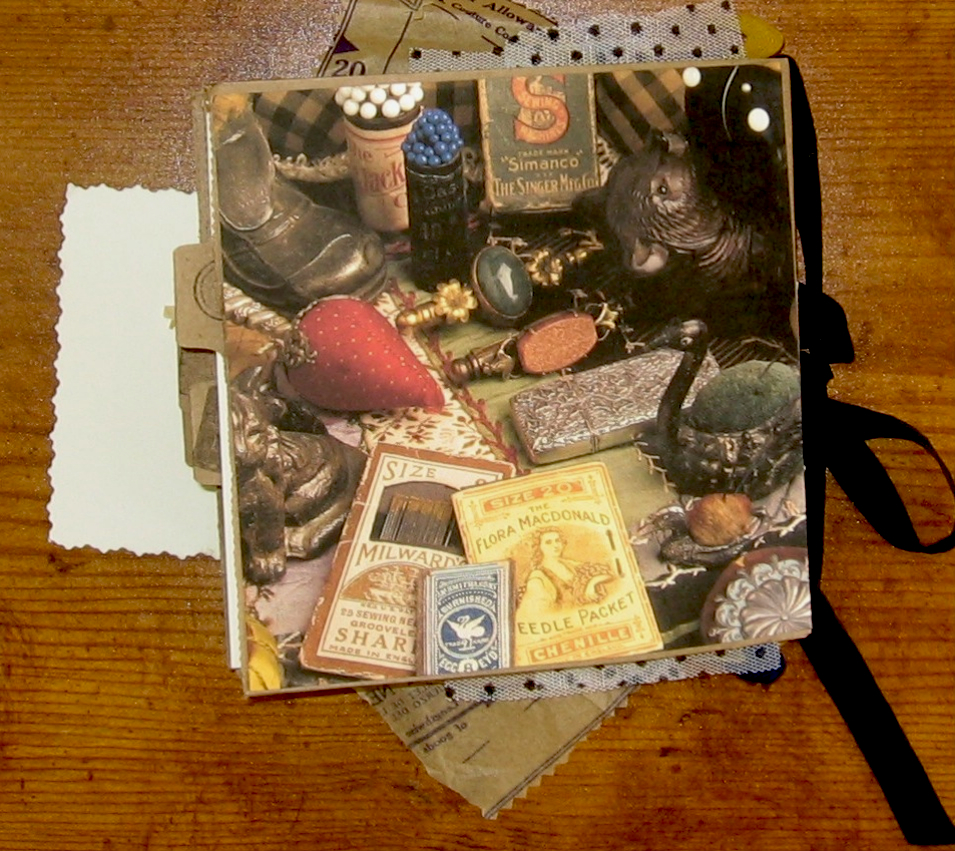
Sewing Scrapbook - Back Cover

They are very easy to make.  Start with three brown paper lunch bags and fold them in half.  Stack them by alternating where the opening is placed so there two openings on side side and one on the other side (also make sure the bottom bag flaps are on the inside pages, not the front and back covers), and then staple down the middle.
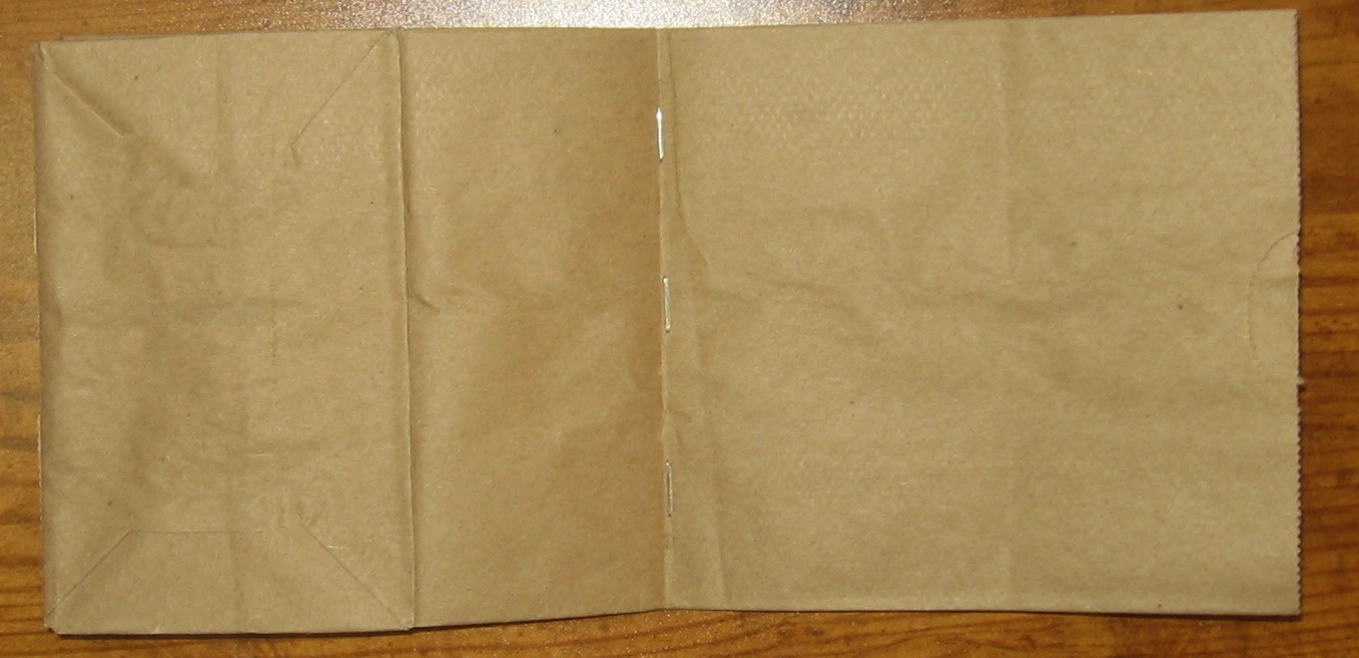
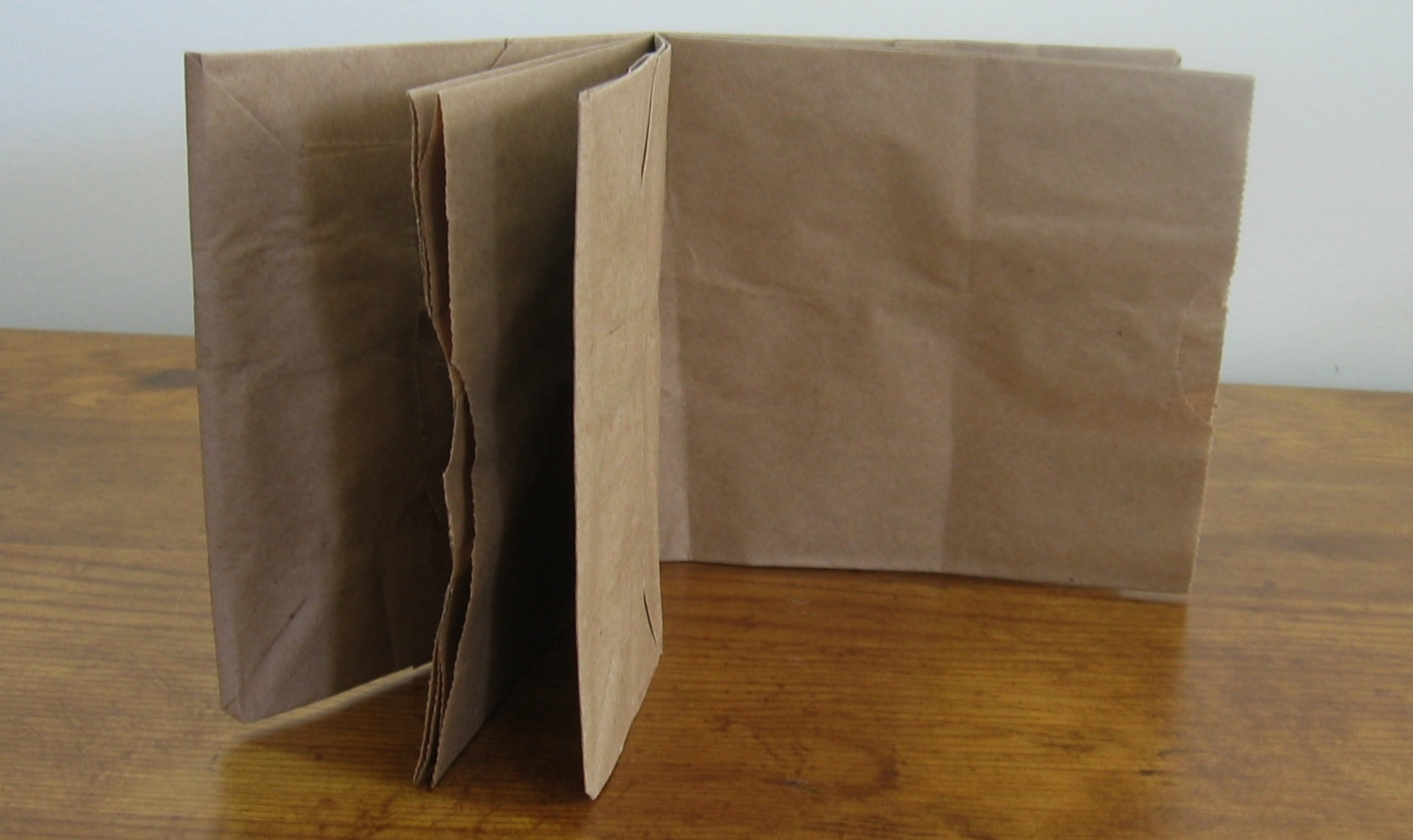
Lunch Bag Scrapbook - View 1
Lunch Bag Scrapbook - View 2

Once you have your little book – you can decorate it however you want!  I have made a few of these for my son already.  He enjoys drawing pictures on each page and using rubber stamps and stickers to embellish them.

Keep it thimble!
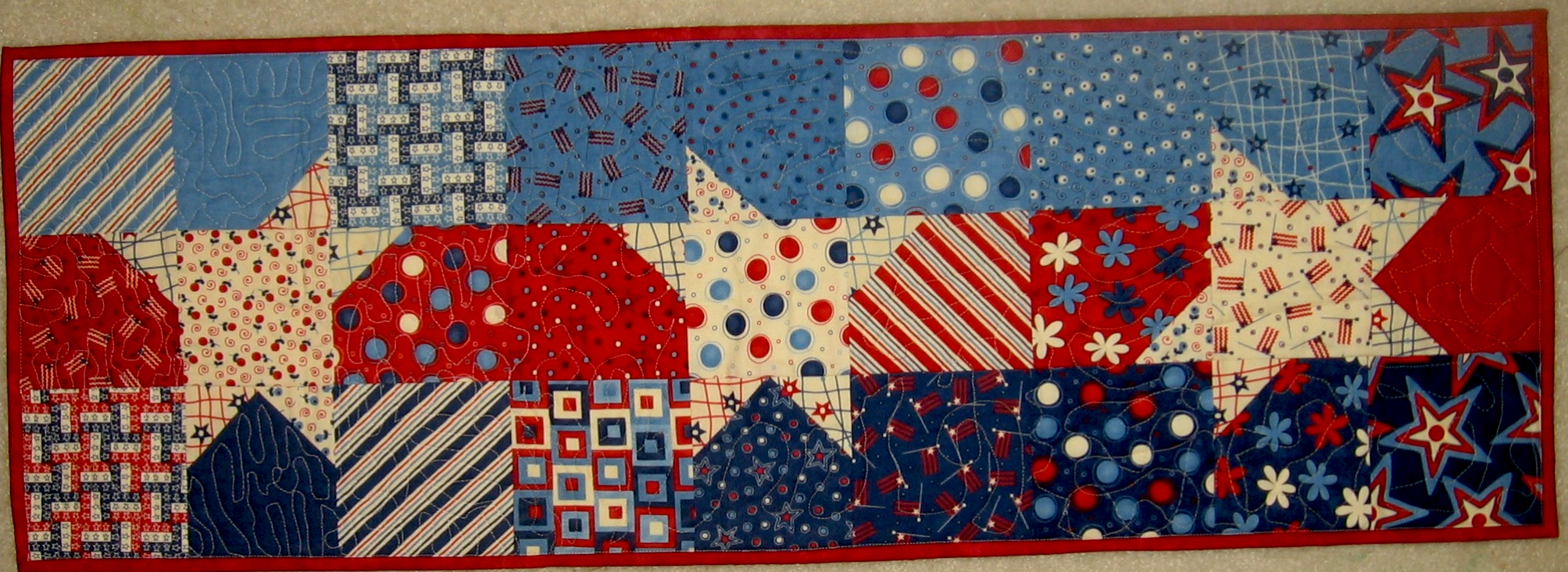
First UFO Finished!

My goal is to finish one UFO a month – so here is the one for February – the Patriotic Table Runner!  I machine quilted this myself on my Bernina with the BSR.  This was one of my first attempts and I can tell that I need a lot of practice with my free motion quilting.

Patriotic Table Runner

I’m also not entirely sure I am using the BSR correctly – I swear my stitches looked much neater when I tried this out in the store.  I was able to write my name and everything!  However, like anything, this is something that requires a lot of practice in order to do correctly.  I don’t see myself doing a lot of my own quilting though, as my favorite part is making the quilt top!  For something like table runners or simple quilting, I can handle it.

Keep it thimble!

Jack Bauer Messenger Bag

It’s hard to find bag patterns that are suitable for men, so I decided to create a replica of the trusty bag that Jack Bauer always carries on “24.”  Jack’s bag is basically a green canvas army surplus bag (although in later seasons he may have upgraded to something leather).

Messenger Bag - Front

I haven’t written up this pattern yet, but I have all the notes for it (someplace).  This is one of the first patterns I plan to write up to include in my line of patterns I am developing.  This bag has several exterior pockets, roomy interior, and a small zippered pocket in the lining.  I plan to revise the pattern so that the handle is adjustable, and maybe add two front  closures to it (instead of just the single one).

Messenger Bag - Interior

This bag is made out of black canvas, and I used a light black cotton for the lining.  I broke at least two needles sewing the bottom seams where all the pockets, lining, etc. come together (the thickness is about 8 – 10 layers of fabric).

Messenger Bag - Side

This would look great in leather or any type of canvas.  If making for a woman, you could even use some of the funky oilcloth with the super-saturated colors.  I hope to have the pattern written up sometime in the next few months – so stay tuned!

Keep it thimble!

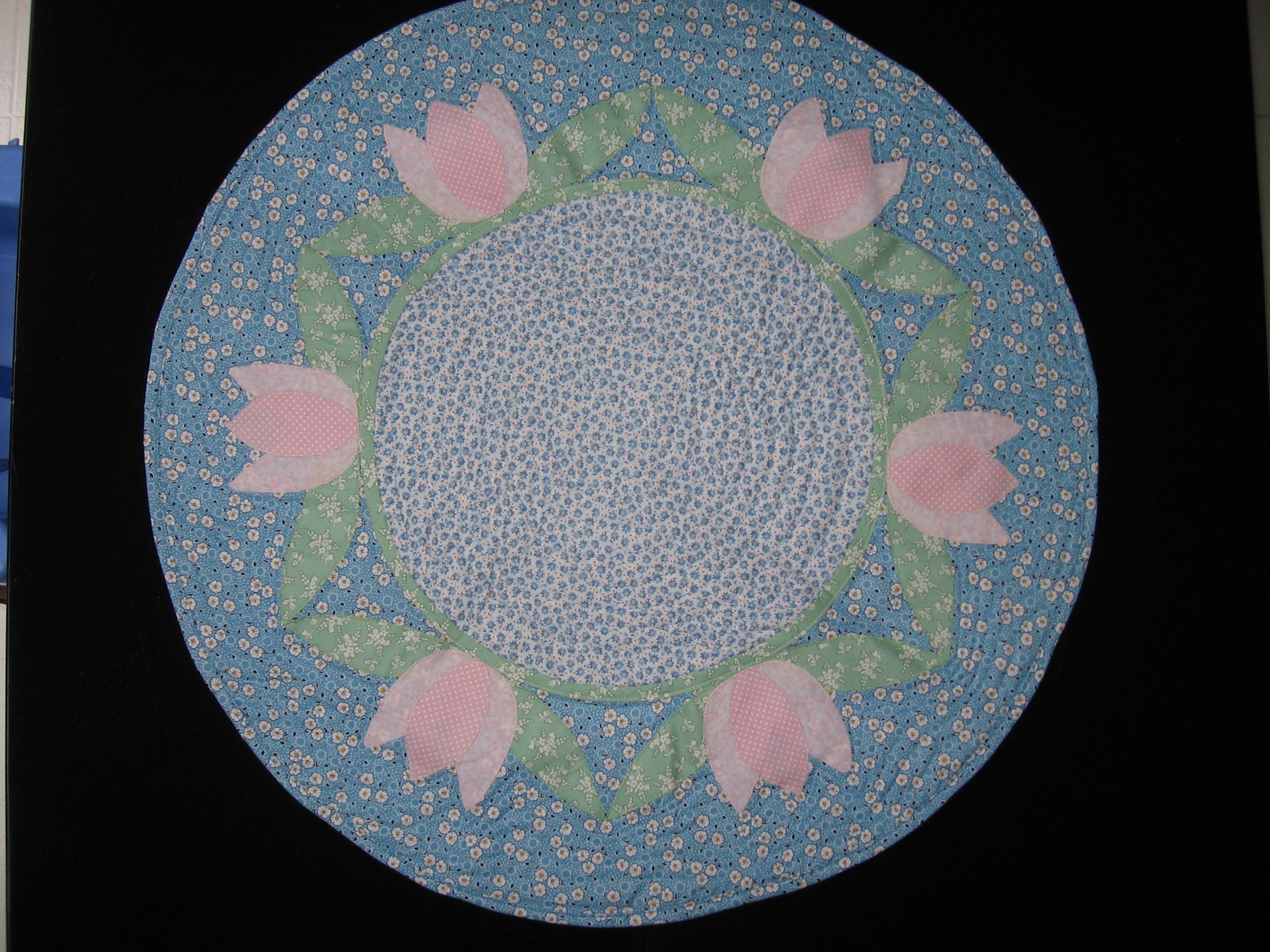
Springtime Table Topper

I guess the groundhog was right, Spring is coming early this year!  For the past week, we’ve been having 60 degree weather – perfect for going outside and sewing!  Here’s a cute Springtime Table Topper I made from a Kansas Trouble Quilter’s pattern in celebration of Spring.

Springtime Pleasures Topper

This is fusible applique, which is a lot faster than other types of applique.  With fusible applique, you trace the shapes onto a fusible backing, cut them out, arrange them on the background, and then fuse them down with the iron.  The last step is to do a small zig-zag stitch around the edge of the applique pieces to secure them.  This is important because if you forget to sew them down, all the appliques will fall off when it is washed!

After I stitched down the appliques, I did “echo” quilting around the flowers.  “Echo” quilting is when you trace around the outline of the shapes in a continuous line until you get to the edge of the quilt.  In the middle of the quilt I did a simple spiral shape.  My machine quilting is not so great, so the spiral seemed like the easiest option.  After quilting, I used bias binding to finish it.

Keep it thimble!
Happy Valentine’s Day!

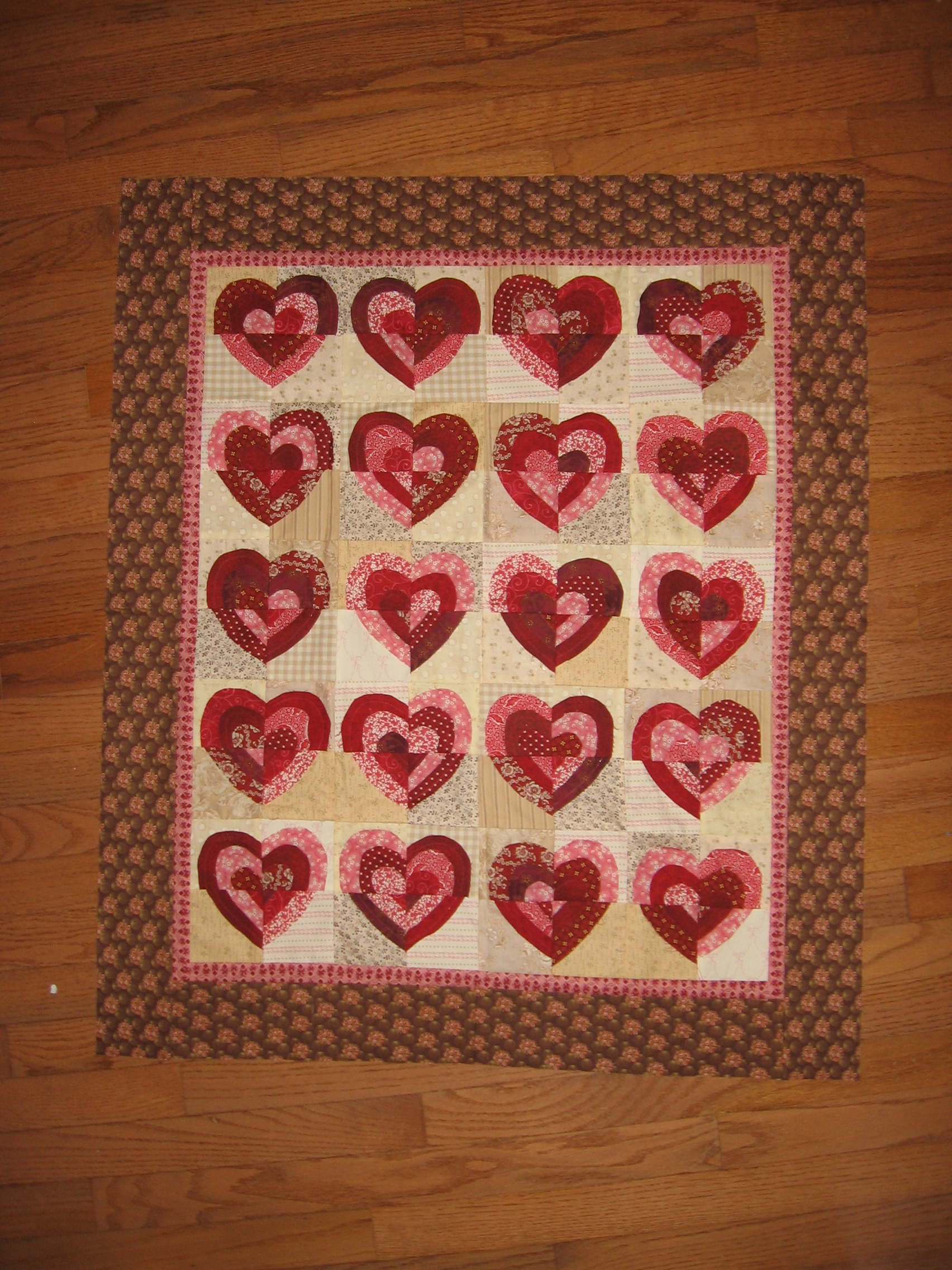
Ruffled Hearts Quilt

Happy Valentine’s Day!

This is a quilt top that is currently on my UFO list because it still needs to be quilted.  However, I thought it would be appropriate for today’s post :).

This split applique is very easy to do – I learned how to do it in a class taught at Plain and Simple.  Basically you create a heart template in 3 sizes – small, medium, large.  You get scraps of red fabric and cut out one of each heart for each block you want to make. You begin by sewing small heart on top of the medium, then sewing this unit on top of the large heart, and then sewing this onto your applique background.

This is rough edge applique, meaning that you don’t need to prep the pieces to turn the edges and you don’t need to hide your stitches.  You just sew around the rough edges of each shape, about 1/4″ in from the edge.  After completing your blocks, you cut each one into fourths.  Then you randomly select 4 pieces and sew them back together as a new heart.  I really enjoyed this project, and it’s a great for people who are just learning how to quilt.

I haven’t quite decided how to quilt this yet, because I don’t want to quilt over the hearts.  When this is washed, the rough edges will ravel and the hearts will look like they have a bit of a ruffle or fringe around the edge.  It’s a nice effect for something like this.

Keep it thimble!
Flea Market Finds!

Now that the holidays are over, I’ve been hitting up the thrift stores and flea markets again.  People donate a lot of stuff at the end of the year, so I figure this is prime time to check out the local Goodwill and Salvation Army.   I’m still looking for things for the house – I’ll be doing some painting in the next month or so and then I will be able to arrange all the great pieces I’ve found so far.

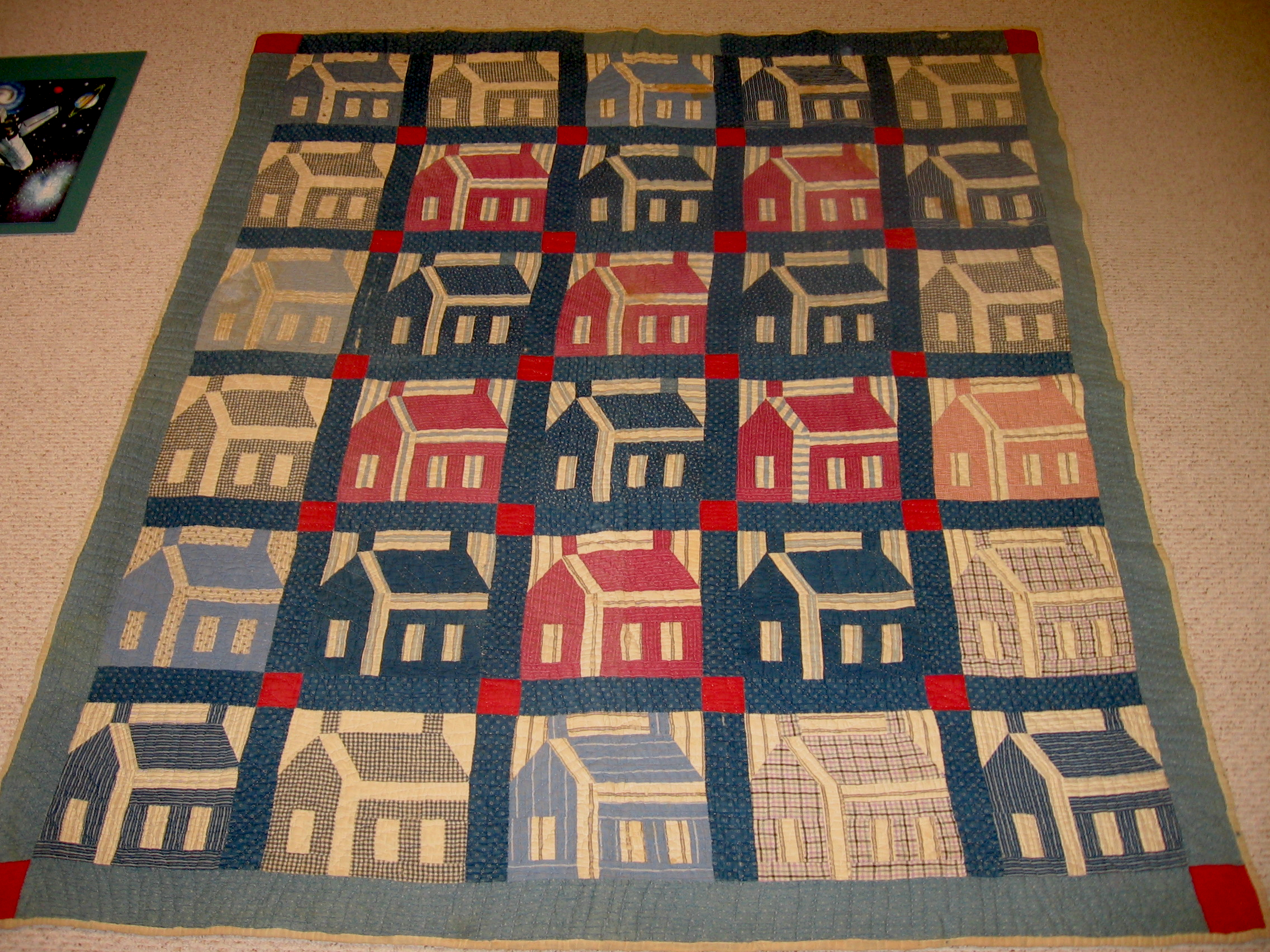
Schoolhouse Quilt

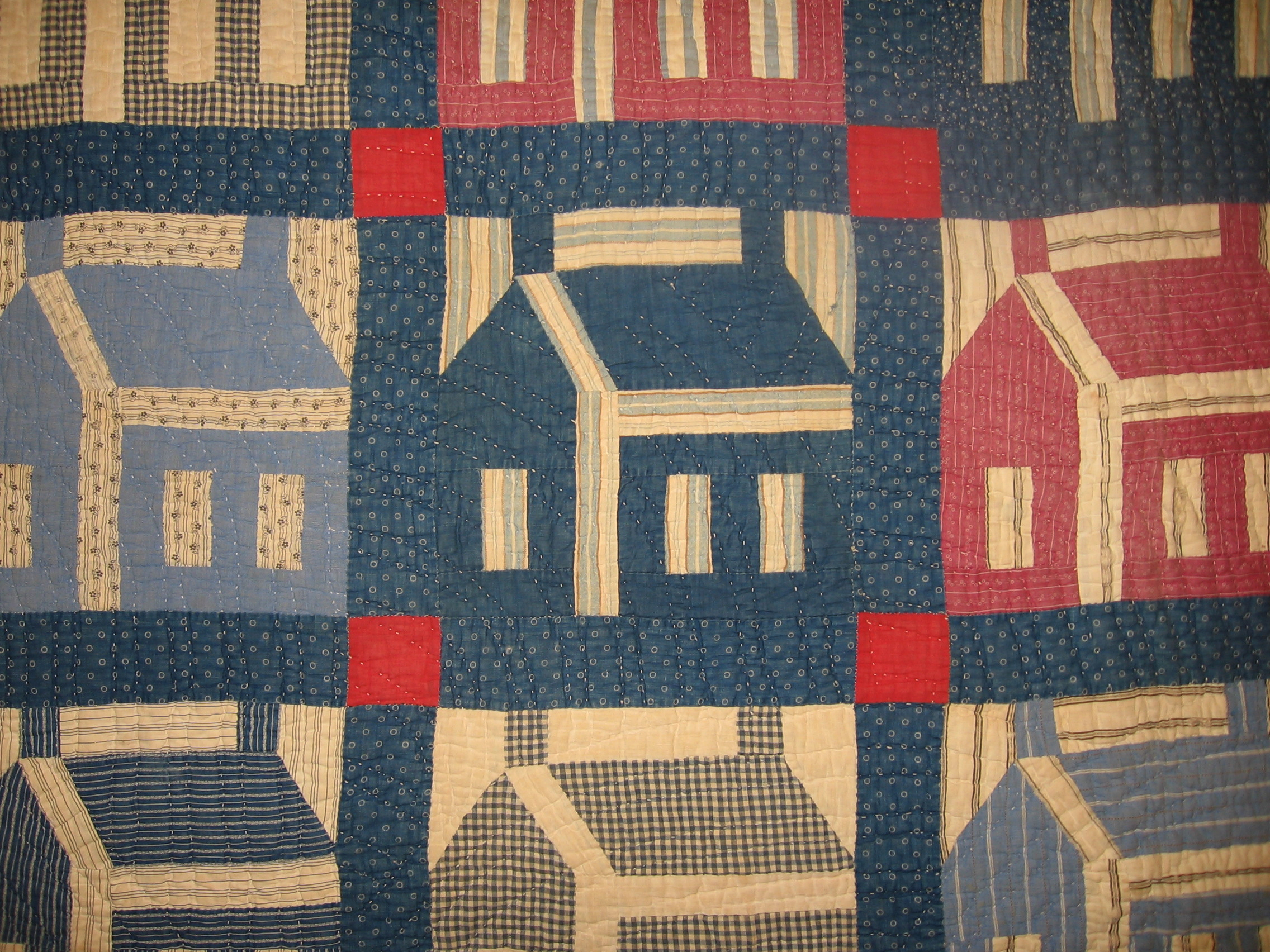
Schoolhouse Quilt Detail

This is a schoolhouse block quilt I found at the local flea market.  It’s probably from the late 1800’s or early 1900’s.  It is pretty good condition, there is some minor repair work to be done and it needs washed.  The lady who sold it me said I could wash it by hand in the bathtub with Orvus Quilt soap.  It would probably take 5 – 6 rinses, but she thinks a lot of the stains will come out.  The backing is made from old feedsacks and it is entirely made by hand.  I love it!

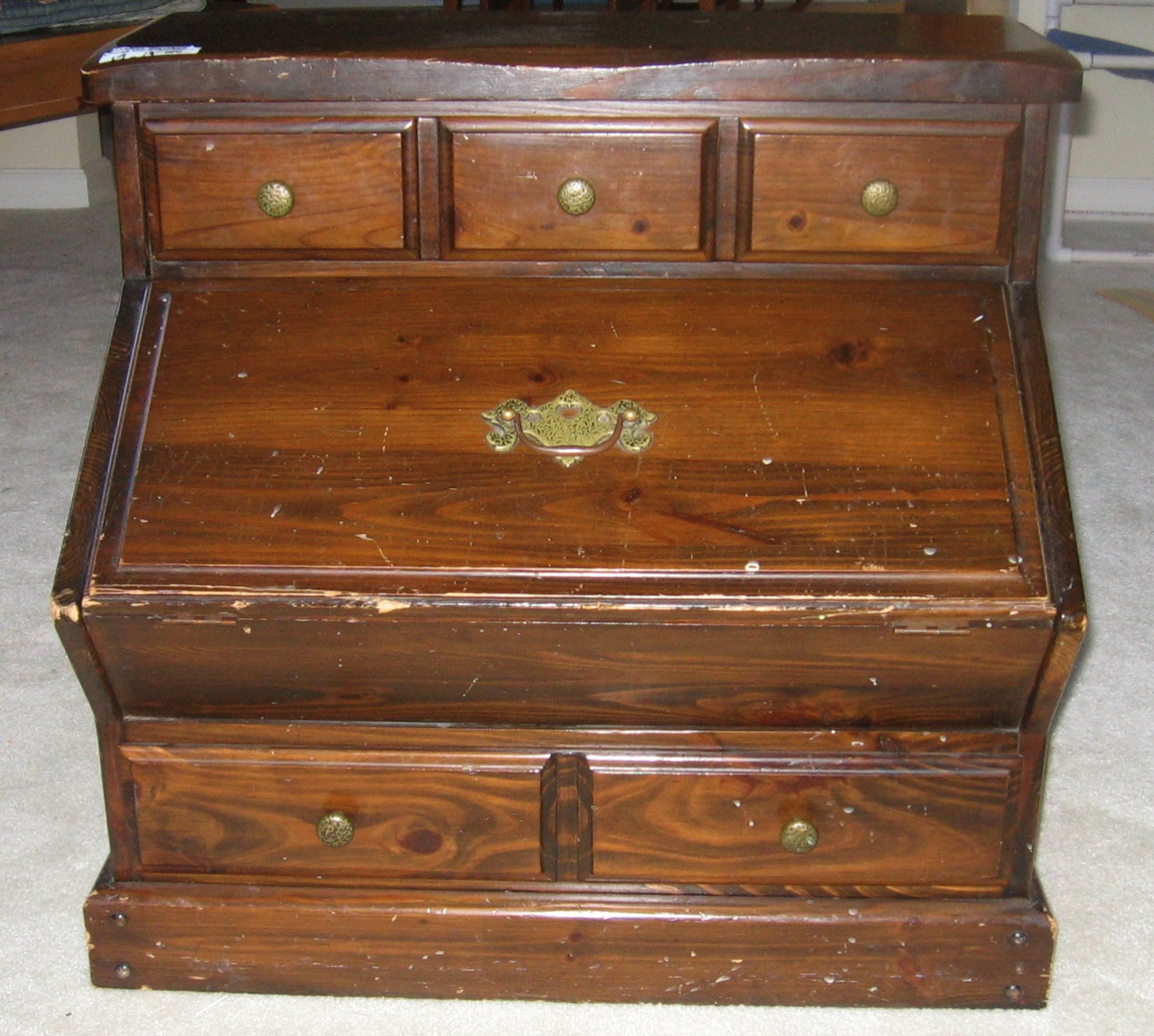
Storage Bin

This is a funny little wooden storage bin.  It’s solid wood and in good condition, it just needs some TLC.  I am going to use this piece as my test case for learning how to refinish furniture.  It will be stripped and I will either paint it or stain it something very dark and replace all the hardware.  I am also going to sand off the scratches and fix it up.  It will look great in my sewing room!

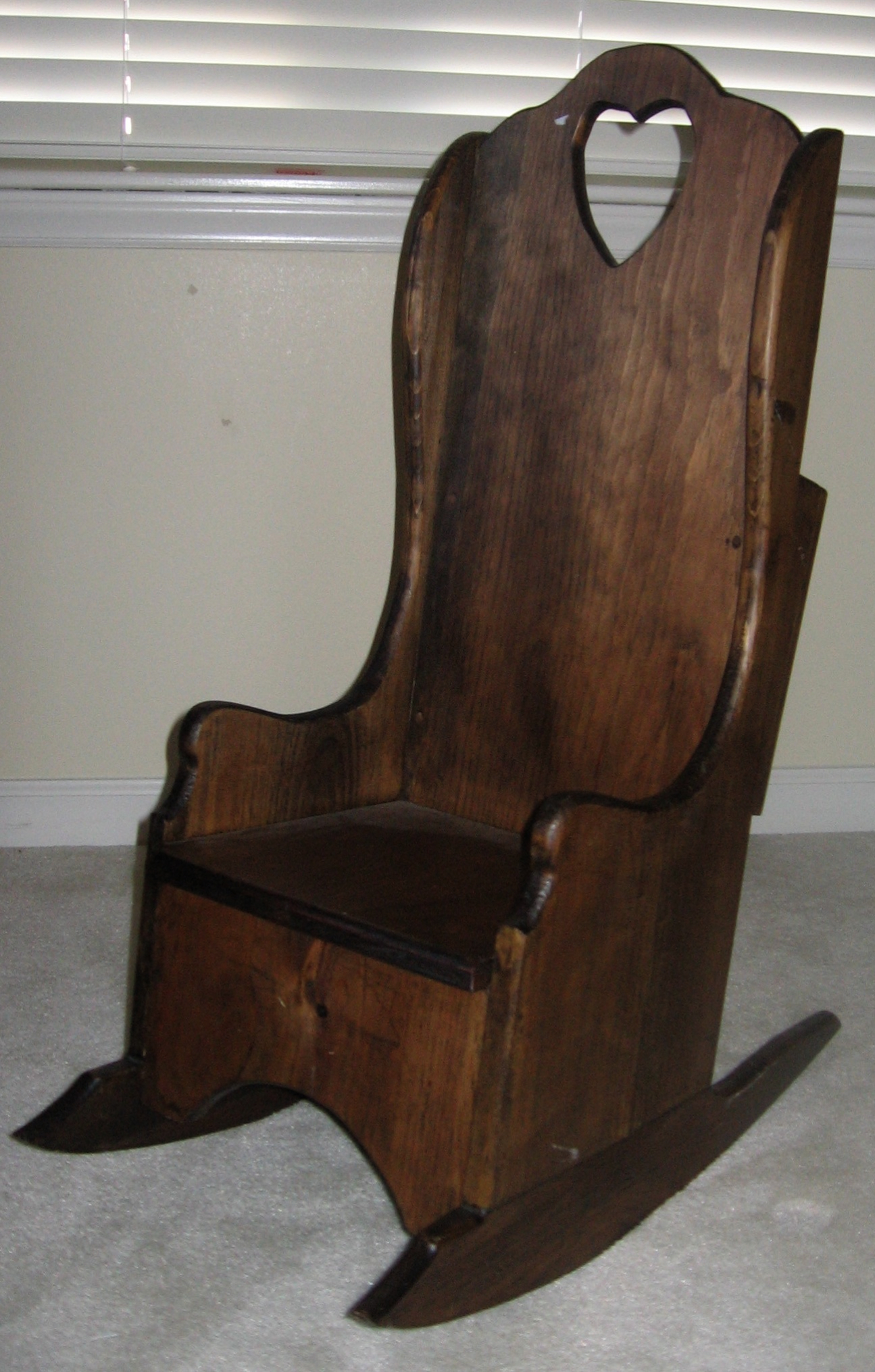
Child's Rocking Chair
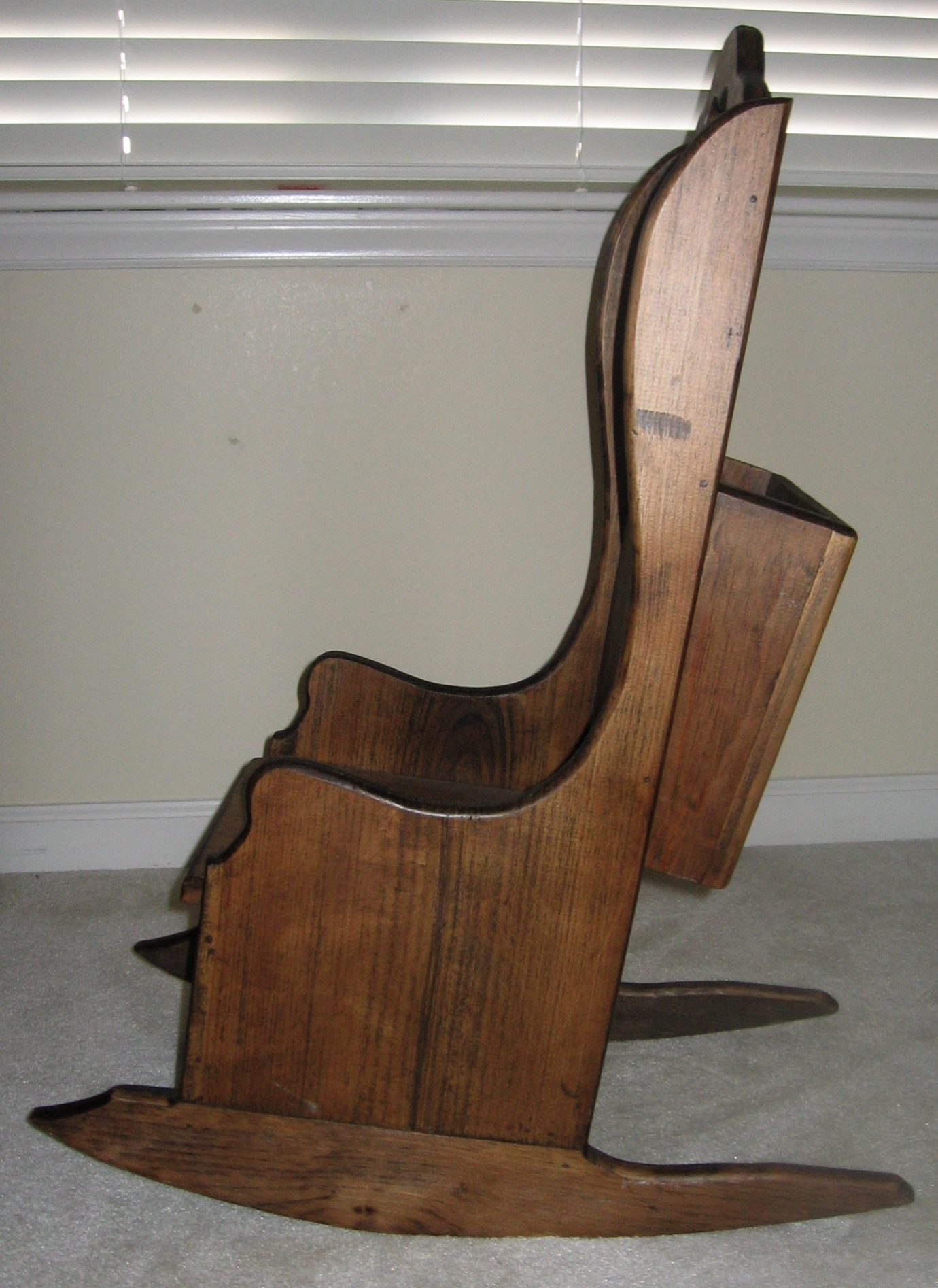
Child's Rocker - Side View

This is the sweetest little child’s rocker.  I found this for only $5!!!  It is handmade and probably about 40+ years old.  The best part is the section on the back where you can store books or other things.  I imagine having a quilt draped on it and some type of prim flower arrangement in the back.  Any suggestions?

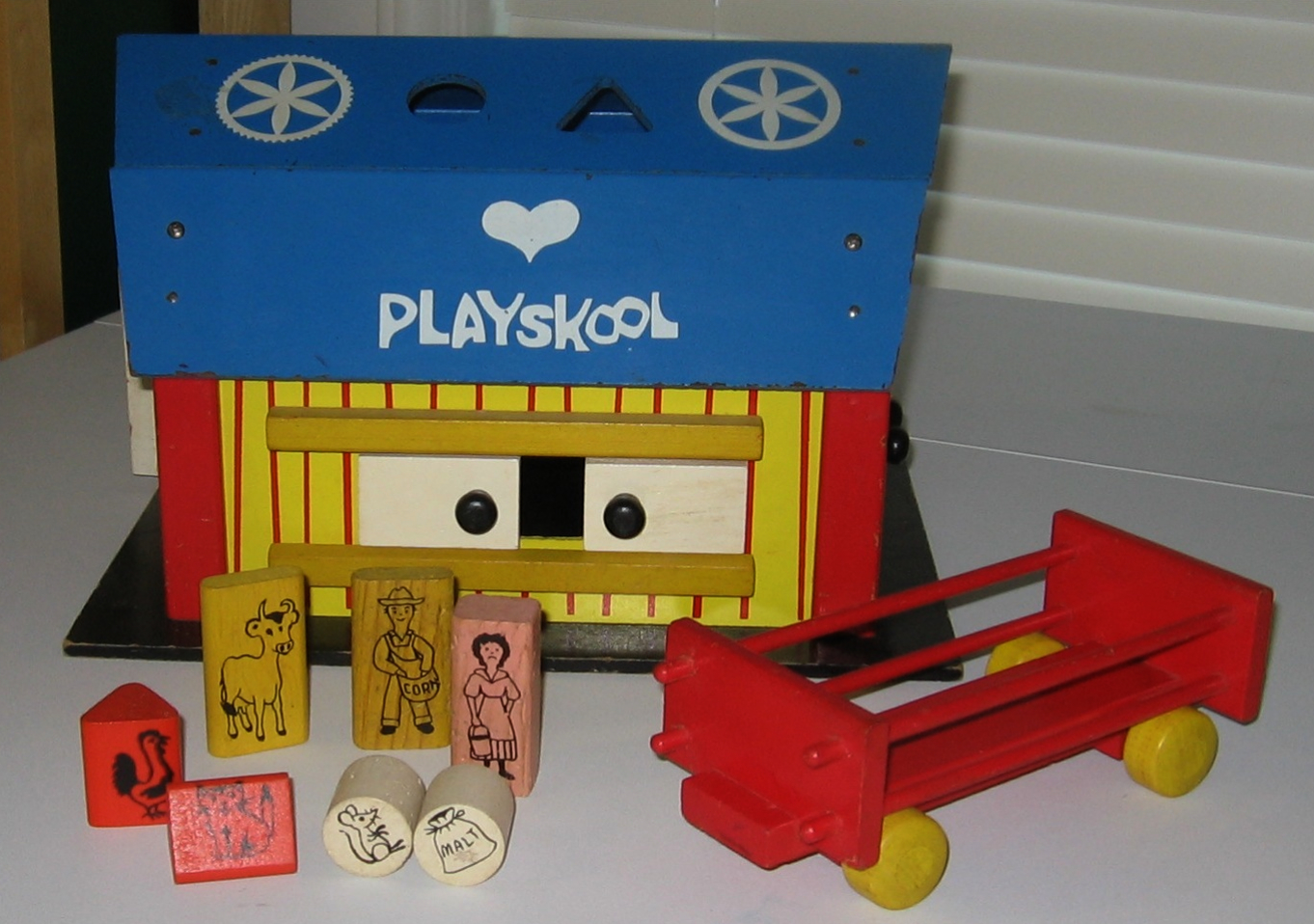
Playskool Barn

Another fun child’s thing – an old Playskool Barn.  This is probably from the 60’s or 70’s.  It includes a set of blocks with the Farmer and his wife.  My son wants to know why the wife looks so sad – she has quite a frown on her face.  Maybe the farmer tracked mud all  over the house?

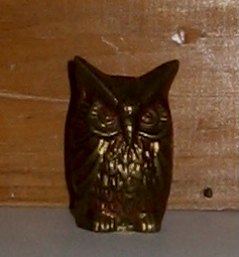
Little Brass Owl

Finally, here is a cute little brass owl.  He’s about 3″ high and is the perfect knick knack for my sewing room.  He looks like a spooky Halloween owl and I couldn’t resist him (he was only 50 cents).

I hope you enjoyed my virtual shopping trip!

Keep it thimble!

Tutorial – Easy Nine Patch Coasters

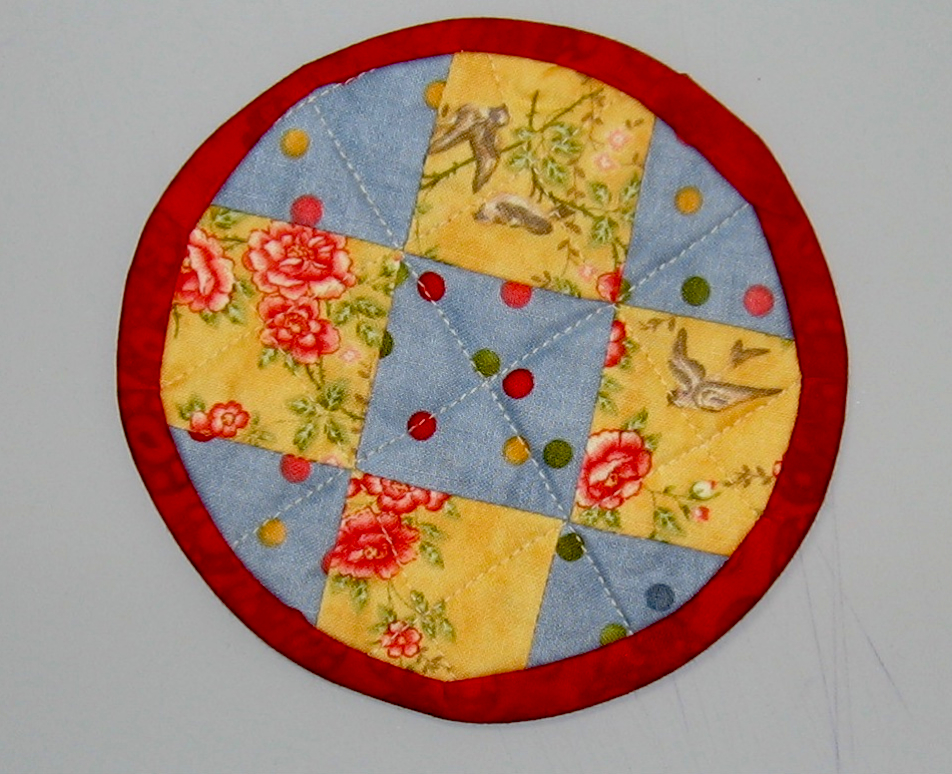
I promised to share a tutorial for how to quickly and easily make nine-patch blocks.  So here it is!   I even took it a few steps further to show you how to turn it into a fun little coaster!

Easy Nine Patch Coaster

This method works best for making scrappy quilts and it’s also great for hosting a block swap.  Get a group of friends together and have everyone bring in fifty 6″ squares.  Throw all the squares into a pile and have everyone randomly pick out fifty new squares.  Then use this method so everyone can create 50 nine-patch blocks that are all different!

Use this method for any sized square, although it is best to pick something that is easily divisible by three (3″, 3.75″, 4.5″, 6″, etc).  This tutorial uses 6″ squares.

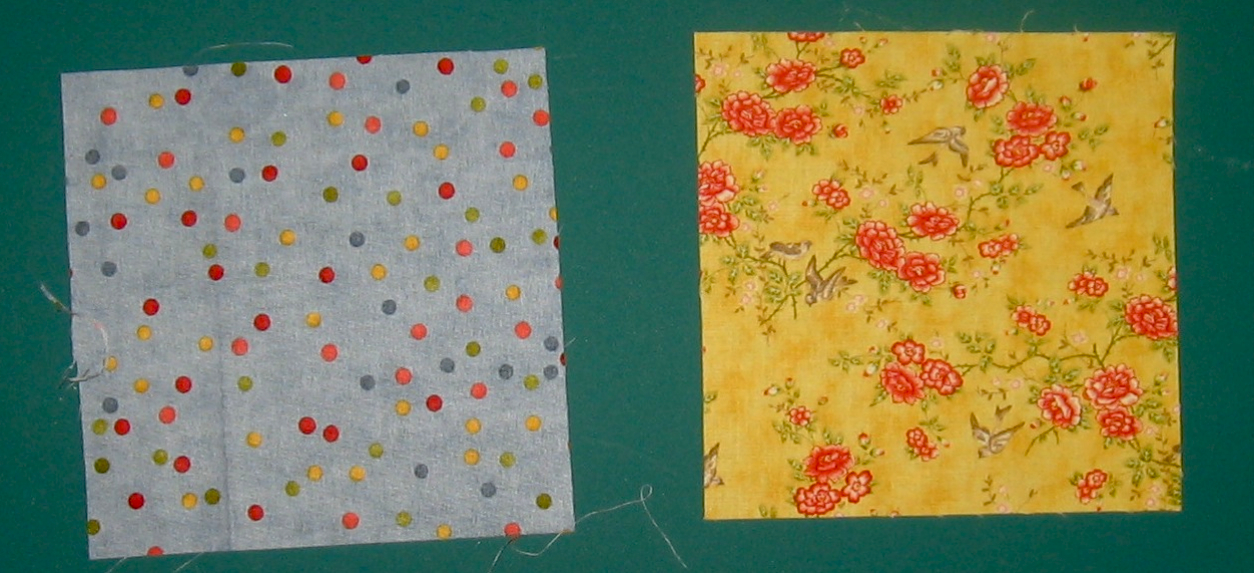
Start with two 6″ squares in different fabrics.

Easy Nine Patch Coaster - Step 1

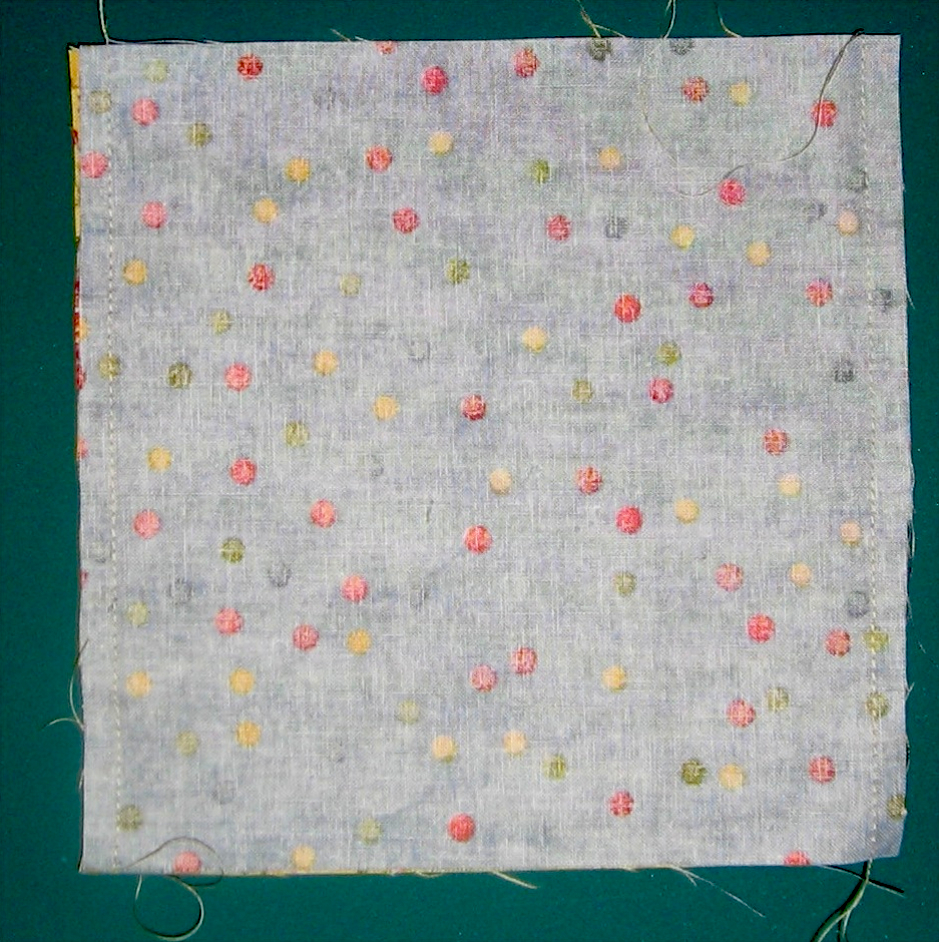
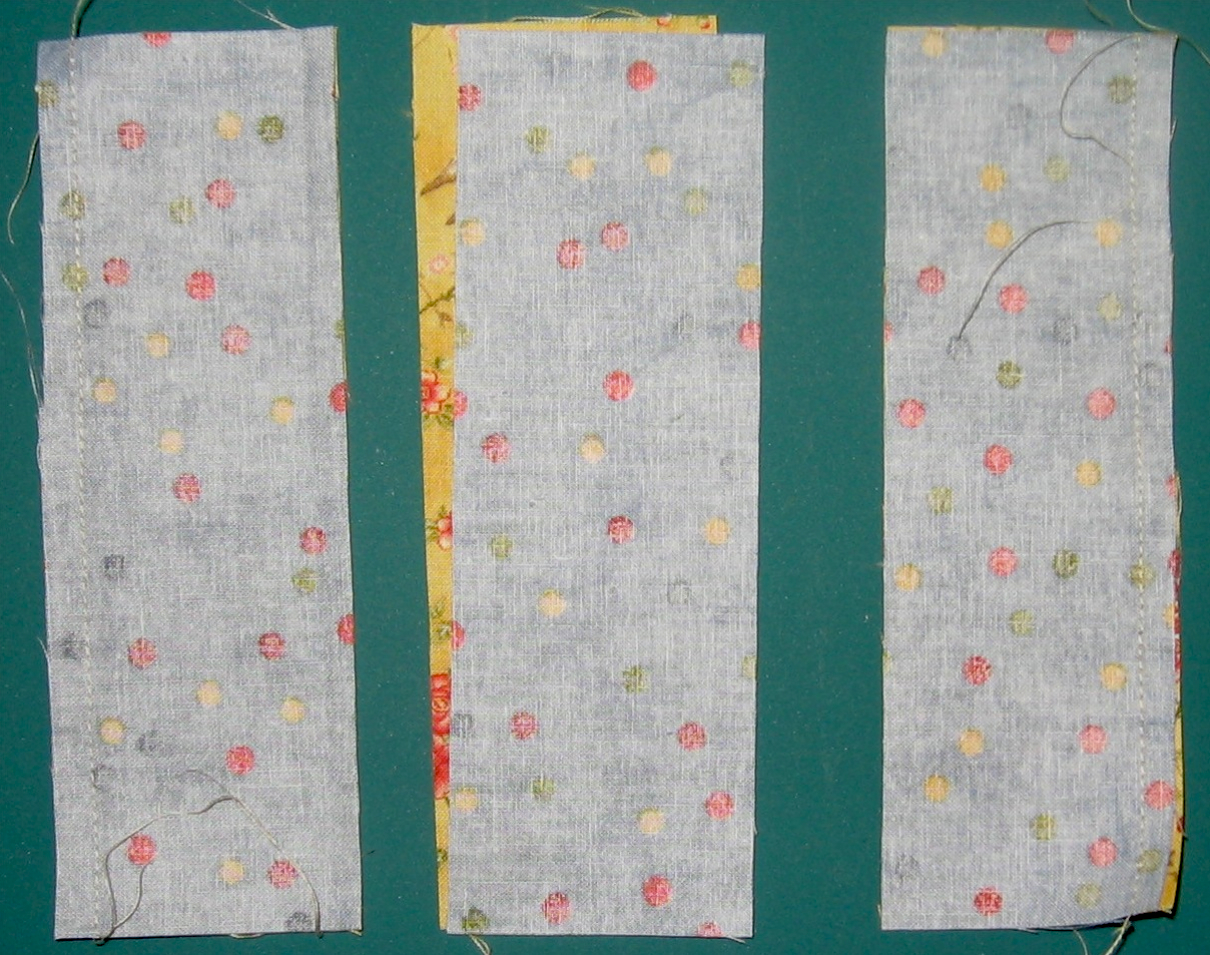
Put the squares right sides together and sew a 1/4″ seam on the right and left sides.

Easy Nine Patch Coaster - Step 2

Using your rotary cutter, cut the unit into three rectangles that are 2″ x 6″.  Make sure you are cutting parallel to the seams you just made.

Easy Nine Patch Coaster - Step 3

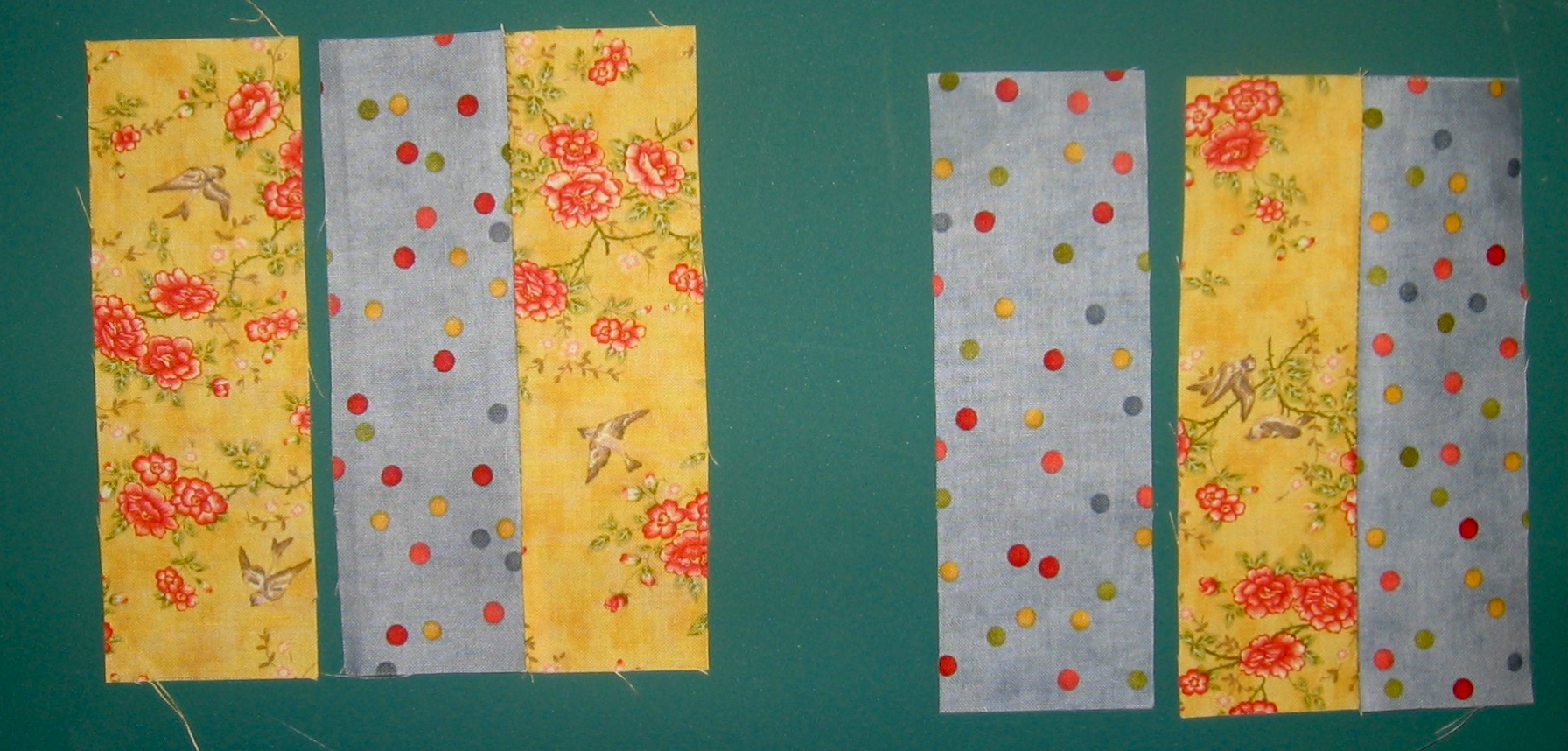
Press the seams towards the darkest fabric to create two pieced units.  Take the center rectangles and sew them to the appropriate side of the pieced units.  Press the seams to the darks.  You now have two units of alternating fabrics (A-B-A and B-A-B).

Easy Nine Patch Coaster - Step 4

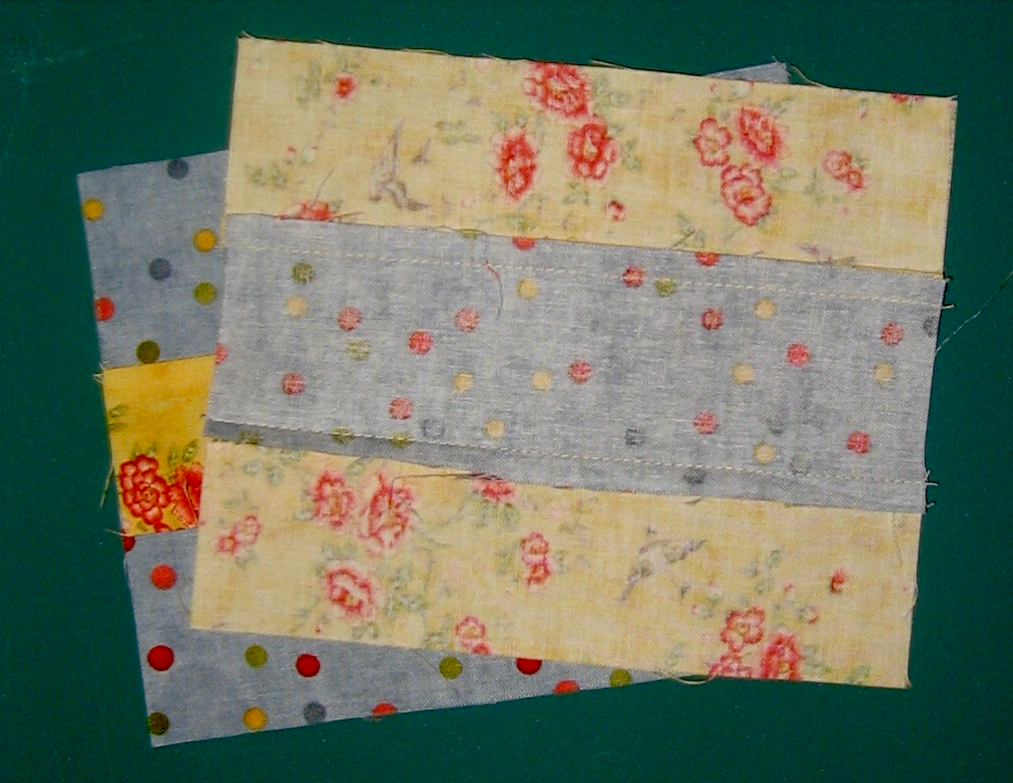
Take these new squares and place them right sides together.  Make sure the stripes for both are running in the same direction.

Easy Nine Patch Coaster - Step 5

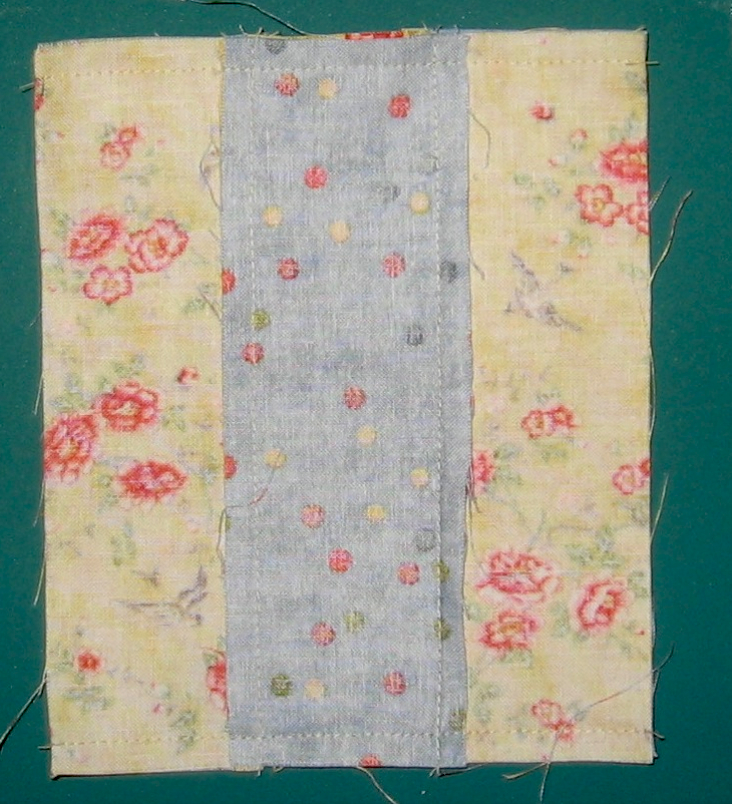
Sew along the shorter sides of this until with a 1/4″ seams.

Easy Nine Patch Coaster - Step 6

Cut this into three rectangles that are 2″ x 6″.  Again, be sure the same you just sewed is parallel to the cuts you are making.  Press the seams.

Easy Nine Patch Coaster - Step 7

Sew the center units to the appropriate unit to make a nine-patch block.  Press the seams.  You will now have two complementary nine-patch blocks.

Easy Nine Patch Coaster - Step 8

If you want to make into a coaster, layer one block with backing and batting to make a quilt sandwich.

Easy Nine Patch Coaster - Step 9

Quilt as desired (I just did some diagonal lines).  Trim off excess batting until each block is 4.75″ square.  At this point, you can just bind the squares for square coasters (use 2 1/4″ strips that are  22″ long).

If you want to make circular coaster, create a template that is a 4.75″ circle (or download my template) and use it to cut around the block.

Cut 22″ inches of 2 1/4″ bias binding.  You need bias binding because it is much easier when working with something circular.  I didn’t use bias binding on my coasters and you can see that the circle is not very smooth around the edges.  Bias binding would have been a better choice (although I was trying to save some time by using some binding scraps I cut for another project).

Sew binding, press, and then attach to back.  Make a cute set of 4 coasters, tie together with a ribbon, add some teabags and a mug, and you’ve got a great gift to give your favorite tea drinker!

Keep it thimble!

Easy Nine Patch Coaster

Jo Morton Signature Quilt

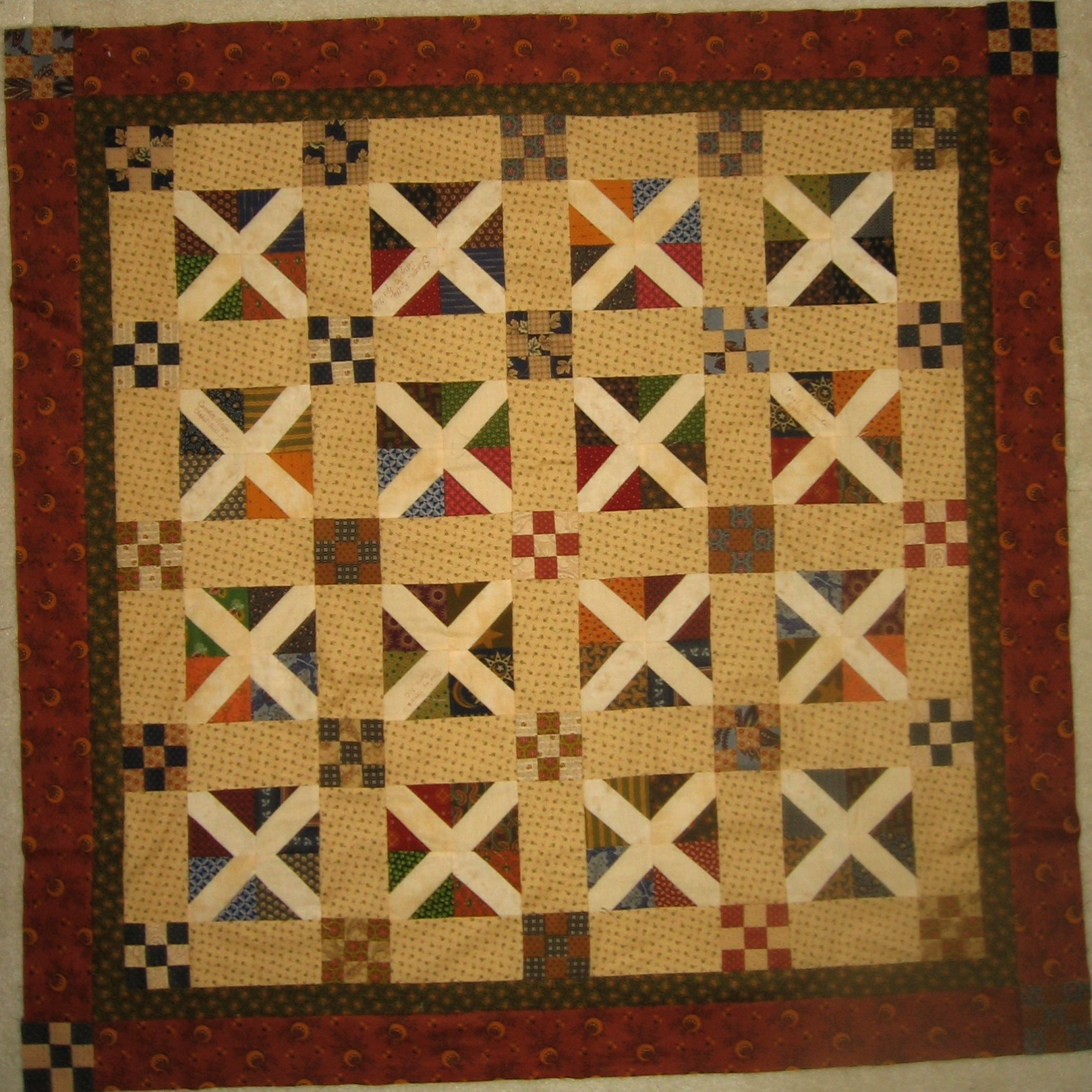
I was digging around in my fabric closet and found the squares for a signature quilt that still needed to be sewn together in a quilt top!  This project was started over a year ago, and put aside for whatever reason.  I figured I could finish the quilt top and add it to my UFO list under projects to be quilted.


Jo Morton Signature Quilt

This is a fun quilt to make from your scraps.  The signature X blocks are very easy to make – you cut out the squares of cream fabric, sew a square of colored fabric to the opposite corners, press open, and then trim off the excess.  You do have lots of little triangle scraps, but they are perfect for miniature quilts or to create small blocks for pin cushions.

Before you sew the X blocks together, you can have your friends sign the smaller blocks.  This is a very nice keepsake to have – great for quilting bees,  weddings, graduations, or other special occasions.  I’ve even heard of people hosting online signature swaps – people create and sign squares, send them off, and get signed squares in return.

The nine-patch blocks were made with a technique that is fast and doesn’t waste fabric.  I will be posting a tutorial on Sunday with instructions on how to do it.  On a side note, the first Sunday of every month I will post either a tutorial or a new pattern (it will alternate).

Also, I found one other UFO that is being added to the list.  I cut out over 200 “apple core” pieces to hand stitch an apple core table runner (also in Jo Morton fabrics).  My plan is to carry a few pieces of this project around in my purse and stitch on it when a I can.  Hopefully the top will be completed by the end of the summer and then I can hand quilt it.

Keep it thimble!

Amy Barickman Giveaway

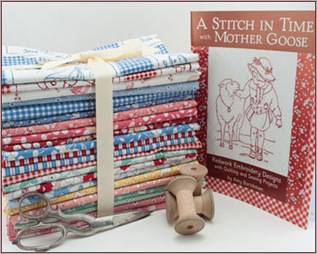
Amy Barickman of Indygo Junction is one of my favorite designers.  She creates awesome patterns and designs fabric for Red Rooster Fabrics (Simply Spooky is probably my all time favorite Halloween fabric).

Stitchin’ Thyme mentioned that Amy is having a giveaway (thanks Jennifer!) and of course I had to enter.  In order to share the love (and increase my chances to win) I am sharing this with you.  If you want to enter to win some of Amy’s fabric and her latest Redwork Book, head over to her blog and enter.  Good luck!